Art & Culture Tour
The best times of year to visit Milan are mid-late spring and early autumn, when the climate is at its best for discovering the city.
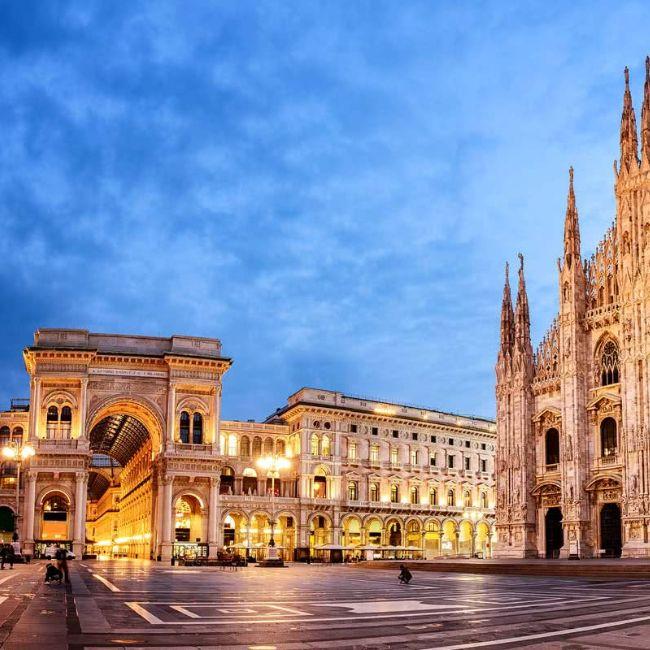
The itinerary can begin in Piazza del Duomo, the centre of the city from which the main streets branch off. Here you will find the famous cathedral, Duomo di Milano, one of the most significant examples of Gothic architecture, featuring a combination of Nordic elements and Lombard tradition.
On the cathedral's main spire you will see the Madonnina, a golden statue around four metres tall, which is the symbol of the city.
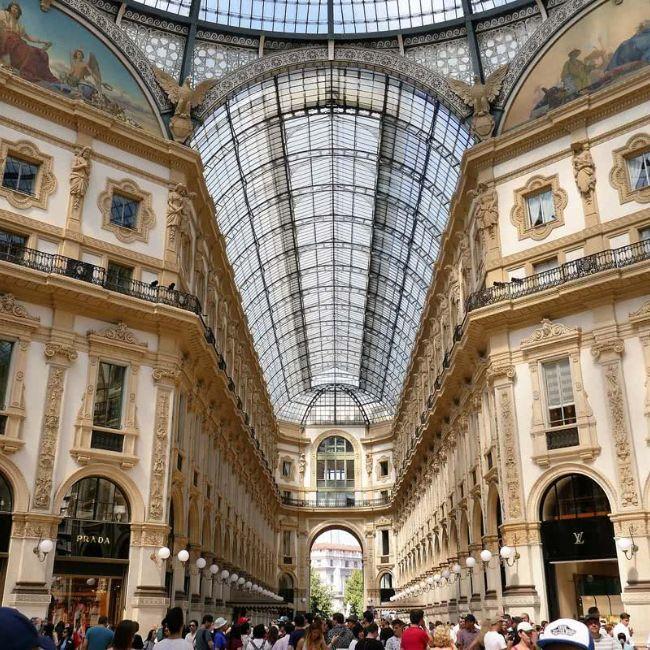
Milan offers numerous places of interest, including the Sforza castle, one of the largest in Europe now home to museums and cultural spaces; the Palazzo Reale; the Museo d’Arte Contemporanea modern art gallery, Piazza San Babila, Teatro alla Scala, and Galleria Vittorio Emanuele II, known as “Milan’s salon”, which connects Piazza del Duomo to Piazza della Scala.
Major cultural highlights include the Pinacoteca di Brera art gallery, founded in the Napoleonic era, while the Basilica of Sant'Ambrogio is amongst the most significant examples of Romanesque architecture in Lombardy. Rounding off the itinerary are the Pirelli Tower and the Galleria d’Arte Moderna modern art gallery.
The route can continue towards Ca’ Granda, in Via Festa del Perdono, a historic complex founded by Francesco Sforza in 1456, which today serves as the campus for the University of Milan.
The Cimitero Monumentale di Milano is a cemetery built between 1863 and 1866, which houses the Famedio, where the remains of illustrious figures such as Alessandro Manzoni lie.
Milan central station, completed during the fascist era, is a monumental building featuring high-impact architectural and decorative elements.
Of the more contemporary structures, worth a mention are the Fiera Milano exhibition centre and Stadio Giuseppe Meazza, better known as the San Siro, where the city's two football teams play.
In Piazza Velasca you will find Torre Velasca, a tower built between 1956 and 1960, whose structure is cantilevered at the top, in a reinterpretation of mediaeval towers.
Torre Velasca, built between 1956 and 1960, is considered one of the most important works of post-war architecture. It owes its name to the piazza opened in 1651 by Spanish governor Juan de Velasco.
Porta Romana is one of the ancient official entrances to the city, testament to historic Milan.
Milan also features numerous streets and districts worth a visit, including Via Monte Napoleone, Corso Vittorio Emanuele II, Viale Monza and Corso Buenos Aires, as well as the Milano 2 quarter, known for Palazzo dei Cigni.
The Navigli area, with the Darsena waterfront, is today one of the city's main meeting points, however in the past it was a commercial centre and trade hub.
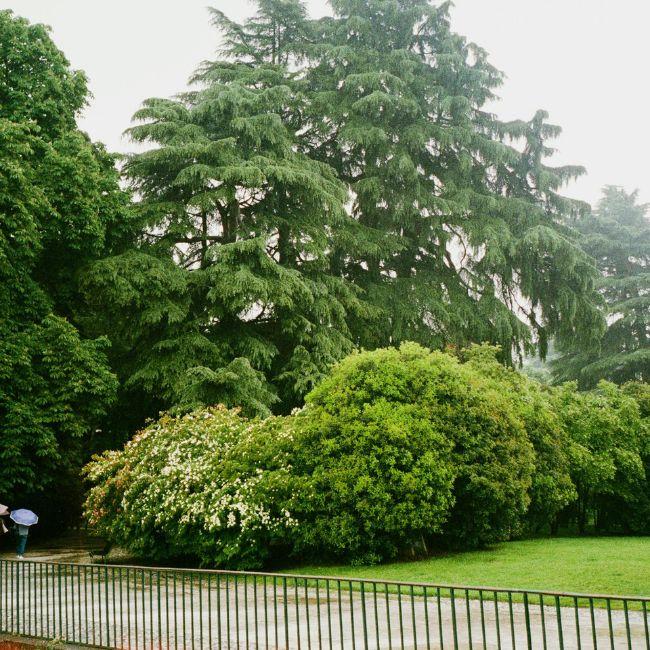
For those looking to spend time in the open air, Parco Nord, located on the city's northern outskirts, is a 600-hectare park. Designed in the 1960s but created in 1975, it offers the chance to walk amongst lime, horse chestnut, hawthorn and hazel trees, coming into contact with nature which has spread to create fully fledged woodlands, primarily of poplar and maple.
Other major parks include Parco Sempione and Fun & Fun, recommended for families.

shopping tour
Milan is the main hub for Italian, and indeed international, fashion, and is home to major luxury fashion brands which have their marquee stores in the “Quadrilatero della moda”.